
Ford Co-Pilot360 Features for Winnipeg Driving | Mid-Town Ford
Ford Co-Pilot360 Features for Winnipeg Driving | Mid-Town Ford
Posted on September 25, 2026
Ford Co-Pilot360 Features for Winnipeg Driving
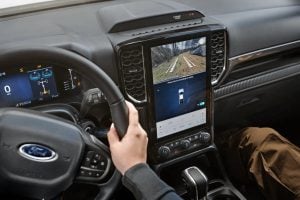
Winnipeg driving can shift quickly from crowded urban streets to open highways and snow-covered neighbourhood roads. Ford Co-Pilot360 brings together driver-assistance technologies designed to improve awareness and support the person behind the wheel in many of these everyday situations.
These technologies are not self-driving systems. The driver must remain attentive, control the vehicle, and respond whenever road, weather, visibility, or traffic conditions require it. Feature availability also varies by model, trim, package, and model year.
What Is Ford Co-Pilot360?
Ford Co-Pilot360 is the name used for a collection of driver-assistance features. Depending on the vehicle, the suite can include technology that watches the road ahead, monitors blind spots, assists with lane awareness, or provides a clearer view while reversing.
The 2026 Ford Explorer, for example, includes a group of Co-Pilot360 features such as Pre-Collision Assist with Automatic Emergency Braking, BLIS with Cross-Traffic Alert, a Lane-Keeping System, a rear-view camera, automatic high beams, and Post-Collision Braking.
How Key Co-Pilot360 Features Help
This table summarizes several commonly available features and the situations in which Winnipeg drivers may appreciate them.
| Feature | What It Does | Useful Situation |
|---|---|---|
| Pre-Collision Assist with Automatic Emergency Braking | Can warn of a potential frontal collision and may apply braking assistance if necessary. | Changing traffic speeds on busy urban routes. |
| BLIS with Cross-Traffic Alert | Can alert the driver to a detected vehicle in a blind spot or traffic approaching while reversing. | Lane changes and backing out of crowded parking spaces. |
| Lane-Keeping System | Can identify unintended lane drift and provide an alert or steering assistance, depending on the setting. | Long highway drives when lane markings are clearly visible. |
| Rear-View Camera | Displays the area behind the vehicle while reversing. | Parking, driveways, and low-speed reversing. |
| Automatic High Beams | Can switch between high and low beams when qualifying traffic is detected. | Dark rural roads outside Winnipeg. |
| Adaptive Cruise Control | On equipped models, can help maintain a selected gap from traffic ahead. | Steady highway travel in suitable conditions. |
Pre-Collision Assist Is a Backup, Not a Braking Plan
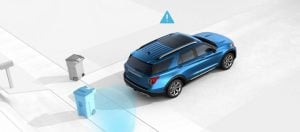
Pre-Collision Assist monitors for certain potential hazards ahead and can issue visual and audible warnings. Automatic Emergency Braking may provide braking support when the system determines a collision risk is developing.
Drivers should never wait for the system to respond. Detection can be affected by weather, road spray, darkness, sensor obstruction, the type of object ahead, or other conditions. Maintaining space and watching traffic remain essential.
Using BLIS in Multi-Lane Traffic
BLIS can provide an additional awareness cue when another vehicle is detected in a monitored blind-spot zone. Cross-Traffic Alert can be helpful while reversing from a parking space when adjacent vehicles restrict the driver’s view.
Mirrors, shoulder checks, and direct observation are still required. Sensors may not identify every road user or object, and snow, ice, mud, or damage can interfere with their operation.
What Winter Weather Means for Driver Assistance
Snow and freezing conditions introduce two important limitations. First, cameras and radar sensors need a clear field of view. A layer of snow, ice, salt, or road grime can reduce system performance. Drivers should know where their vehicle’s sensors are located and keep those areas clean without damaging them.
Second, driver-assistance technology cannot produce tire grip. Automatic braking, lane assistance, and stability systems are still limited by the available traction between the tires and the road. Appropriate winter tires, lower speeds, smooth inputs, and longer following distances continue to matter.
Lane Assistance Needs Visible Markings
Lane-Keeping technology generally relies on detecting road markings. Snow-covered lanes, construction zones, faded paint, sharp curves, and unusual road layouts can make those markings harder to interpret.
If the system cannot read the road reliably, it may become unavailable or provide limited assistance. Drivers should treat the feature as support for attentive driving rather than something that centres the vehicle under every condition.
Compare Ford Driver-Assistance Features at Mid-Town Ford
The easiest way to understand Co-Pilot360 is to see how its features differ between vehicles. Our team can demonstrate the controls, explain which technologies are included on a specific trim, and help you distinguish standard equipment from optional packages.
Browse our new Ford inventory in Winnipeg or visit Mid-Town Ford to compare current trucks and SUVs.